


All blogs
Must-Read Top 10 Trends in Education 2025 and Actionable Insights for Teachers
Share


 Copied

News

4min read

January 26, 2025

- Expect (An Even Greater) Increase in Bite-sized, Micro-Learning
- Mundane Teaching is Outdated. Gamification Is the New Cool
- Hybrid and Blended Learning Won’t Stop Post-Pandemic
- A Renewed Emphasis on Soft Skills
- Expect (Almost) Everyone to Adopt AI in Their Teaching
- AI Adoption is Queen, AI Data Personalisation is King
- The AI-Human Blend as the Way Forward
- AR and VR to be Democratized
- Expect Decentralization for Credentials and Content Creation
- Slowing Down in a Fast-Paced Teaching World
1. Expect (An Even Greater) Increase in Bite-sized, Micro-Learning
The rise of bite-sized and micro-learning is one of the continuing trends in education that has persisted since 2023. With short video platforms like TikTok and Instagram taking centre stage, modern learners have become accustomed to consuming content on their mobile phones while on-the-go.
59% of short-form video content is viewed for durations ranging from 41% to 80% of its total length. And a noteworthy 30% of these videos achieve an impressive average watch rate surpassing 81%.
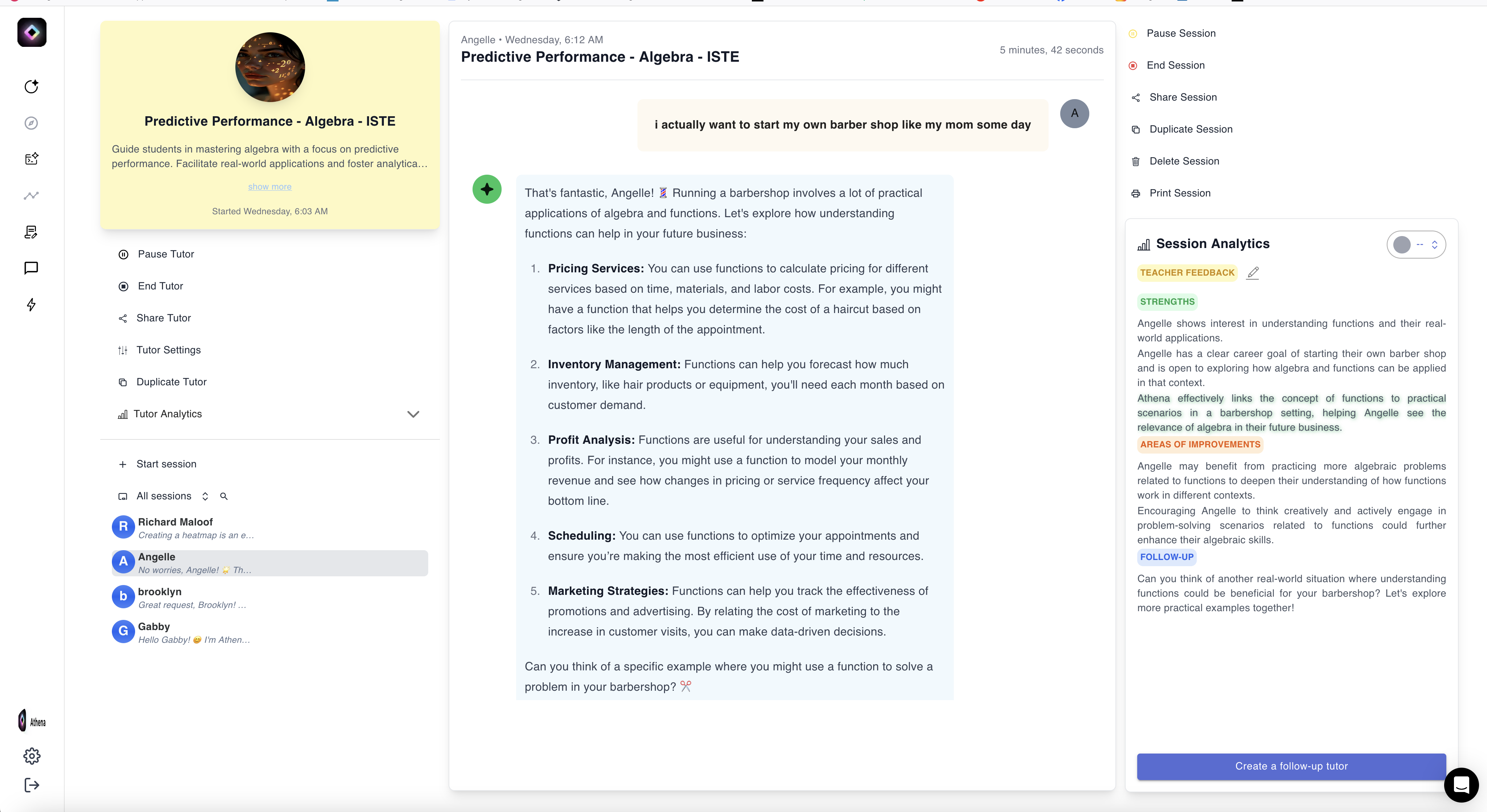
Similarly, in the online learning sphere, we observe a departure from traditional, lengthy degree programs to micro-learning and micro-credentialing, where individuals learn skills without investing in full-degree programs.
According to the Micro-credentials Survey 2023, 88% of the participants express agreement that their institution or organization considers alternative and micro-credentialing a crucial strategy for their future.
Micro-credentials Survey 2023, HolonIQ
This shift is no longer a bandwagon for educators to jump on but rather an adaptation that educators must accept. Imagine teaching a standard course with an expected completion rate of only 20% to 30% completion rate, compared to a microlearning course with an impressive completion rate of 83%.
The answer to which method to adopt seems clear.
What does this trend mean for educators?
Teachers who resist adopting this trend risk falling behind their peers who can better engage with their students. Regardless of the education level or platform at which you are teaching, micro-learning is applicable. Teachers should underscore the importance of bite-sized content and delivery that is easily digestible for students.
Our Tips and Strategies to help you incorporate micro-learning in your classroom:
- Develop concise lesson plans with clear learning objectives.
- Encourage students to set and achieve small learning goals regularly.
- Implement a weekly or monthly micro-learning challenges such as
- Utilize online platforms that offer micro-credentials such as
2. Mundane Teaching is Outdated. Gamification Is the New Cool
Gamification is not new. Its benefits have been acknowledged across various fields and industries for quite some time. From enhancing motivation and learning, to building student engagement and fostering a sense of achievement, gamification has consistently proven to be an effective tool for promoting participation and learning.
When applied to microlearning modules, gamification becomes a powerful duo that maximizes engagement and retention within a short classroom time.
What does this trend mean for educators?
Incorporating gamification into lessons shouldn’t be a complex process involving bulky tools and stressful preparations; it should be an enjoyable experience for both teachers and students.
Our Tips and Strategies for Seamless Integration of Gamification in Teaching:
- Break down complex subjects into micro-challenges that learners can quickly overcome.
- Create a system of rewards or recognition for students who excel in gamified learning.
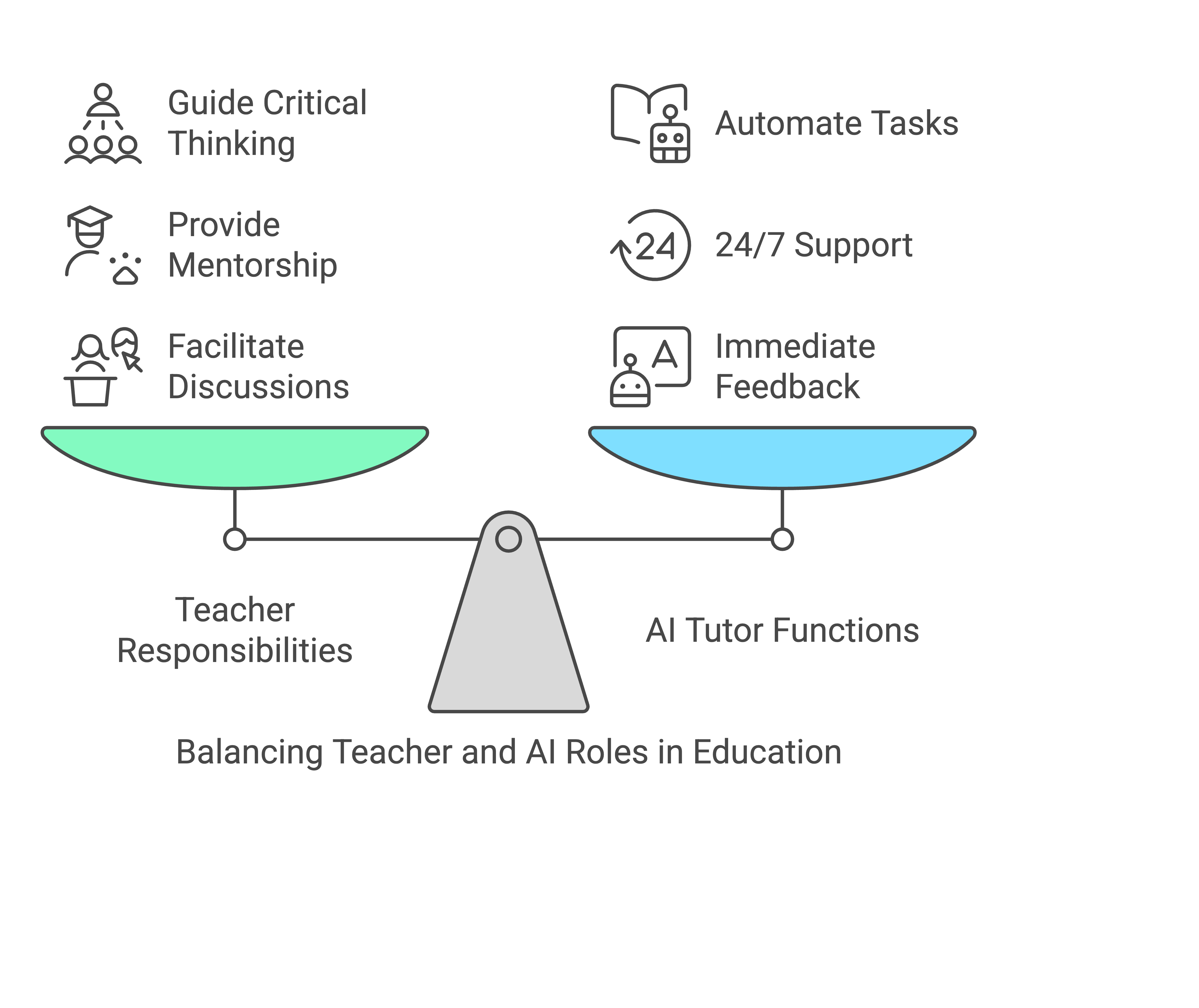
3. Hybrid and Blended Learning Won’t Stop Post-Pandemic
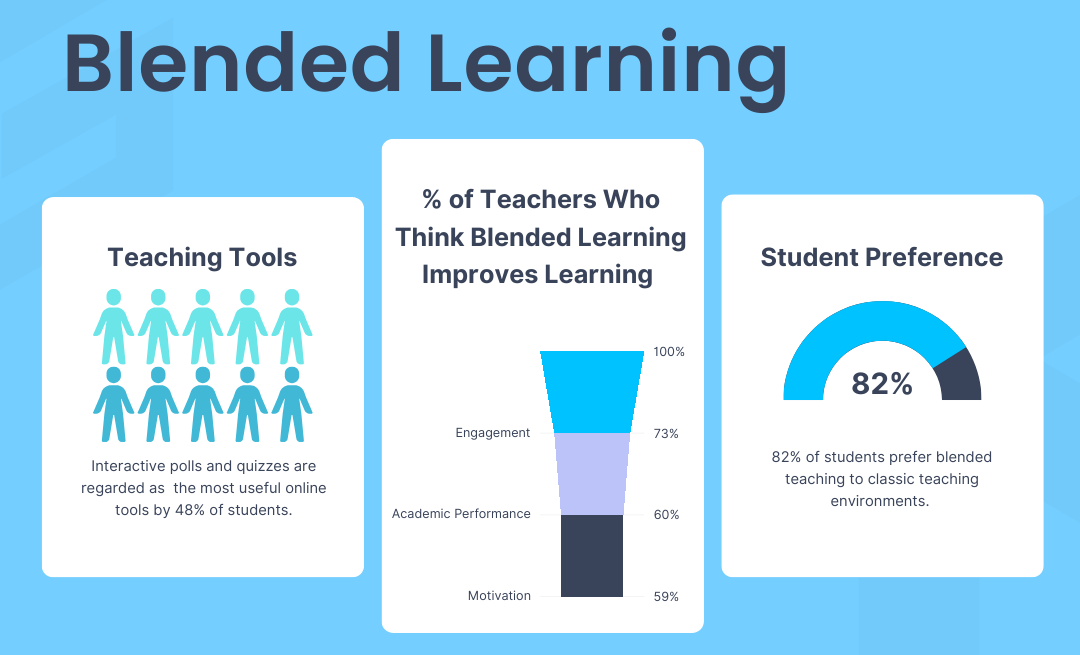
Hybrid learning and blended learning are terms that gained popularity during the pandemic, and even though we have moved beyond those challenging times, they are still relevant trends in education in 21st century learning. In fact, we can expect a rise in integration of online and offline education in 2025.
We cannot ignore the fact that
80% of students find hybrid learning to better align their individual learning styles.
While hybrid learning serves the purpose of accommodating students unable to attend in-person lessons, blended learning is a specialized teaching pedagogy that extends beyond simply shifting the learning setting. It is a deliberate and carefully planned approach aimed at maximizing learning both within and outside the traditional classroom. It can be understood through six different models:
- 1. Flipped Classroom Model
- 2. Station Rotation Model
- 3. Lab Rotation Model
- 4. Flex Model
- 5. Online Lab Model
- 6. Individual Rotation Model
What does this trend mean for educators?
Teachers who truly master the art of hybrid and blended learning are rare. This is because they were necessary adaptations of the COVID-19 pandemic, and many teachers were thrust into this challenging transition without proper guidance.
And when the shift back to in-person learning occurred, many teachers abandoned these modes of learning due to the perceived complexities associated with maintaining them. Fret not as we have got your back.
4. A Renewed Emphasis on Soft Skills
Soft skills such as critical thinking, problem-solving, leadership, creativity and communication are highly valued skills that are key to success especially in an AI-driven world. These are the skills that are least likely to suffer from technological wipeout, and as a natural consequence of this, these skills that are highly sough after by employers in 2025. However, many of these soft skills are not emphasized in traditional education.
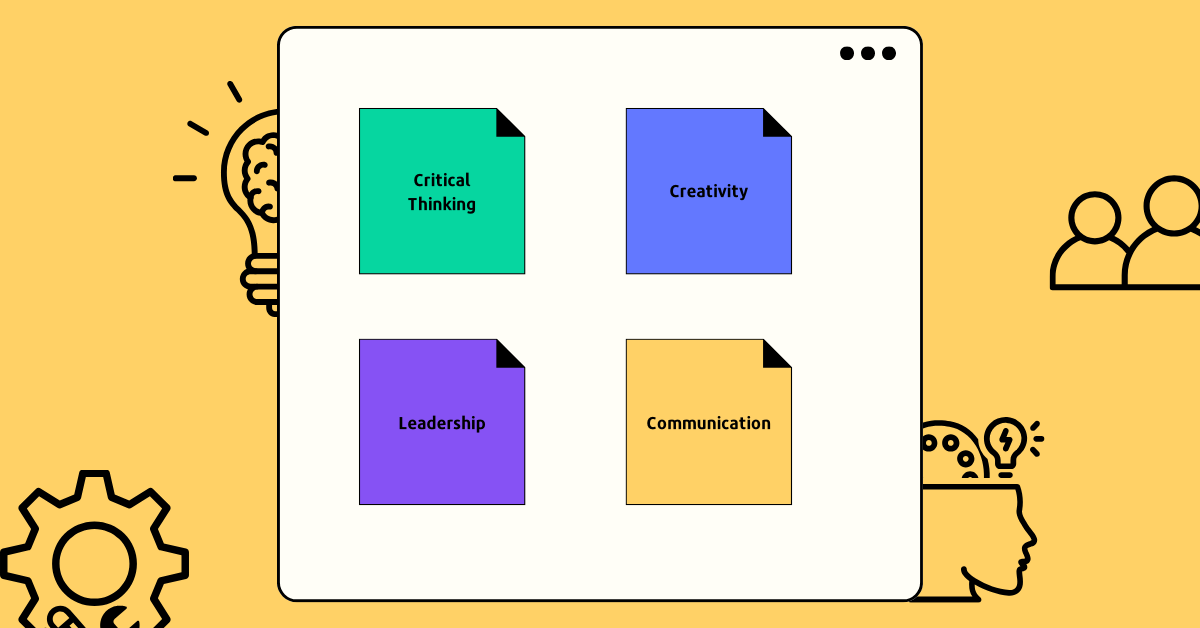
We can expect a renewed emphasis on these soft skills as one of the trends of education in 2025 as we progress towards a AI-driven world where different aspects of education are automated by AI.
What does this trend mean for educators?
Teachers play an indispensable role in fostering these higher-order thinking skills among the students, to prepare the next generation for a world where lower-level thinking skills can be easily replaced by AI technologies.
Our Tips and Strategies for Teaching Soft Skills in the Classroom
- Conduct role-play activities or classroom simulations to teach students soft skills through hands-on activities.
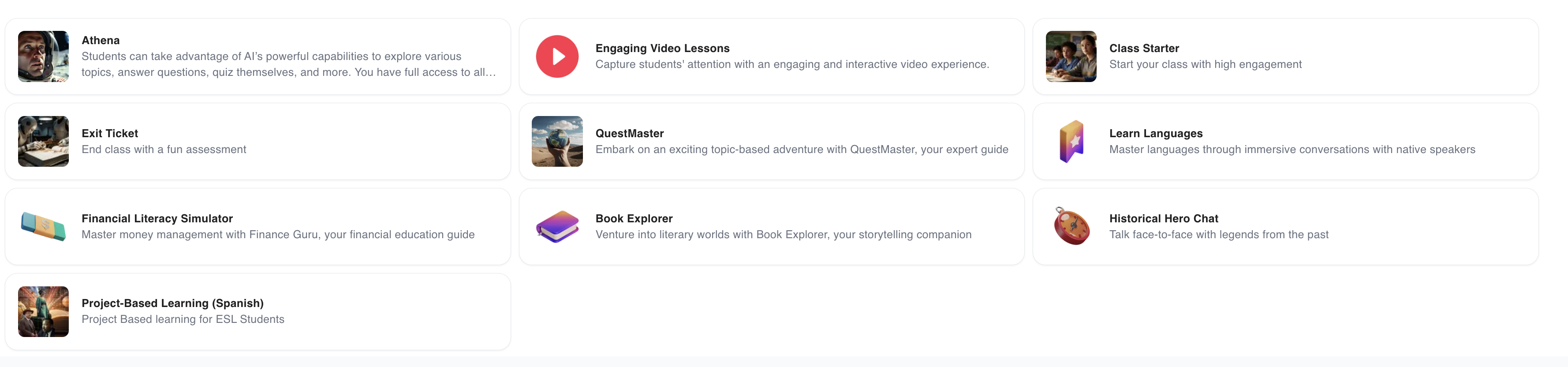
5. Expect (Almost) Everyone to Adopt AI in Their Teaching
With AI tools like ChatGPT, Bing AI, Google Bard, along with other generative AI teaching tools burgeoning like mushrooms after rain, AI technologies have been made accessible to anyone with Internet access.
The AI in education market is anticipated to reach a substantial $10 trillion by the year 2030.
Whether we like it or not, we must coexist with these AI tools as educators of the new generations. Even though it is undeniable that AI brings with it these risks and dangers, they also bring positive impacts that can propel learners to greater heights through enhancing student engagement and academic performance.
What does this trend mean for educators?
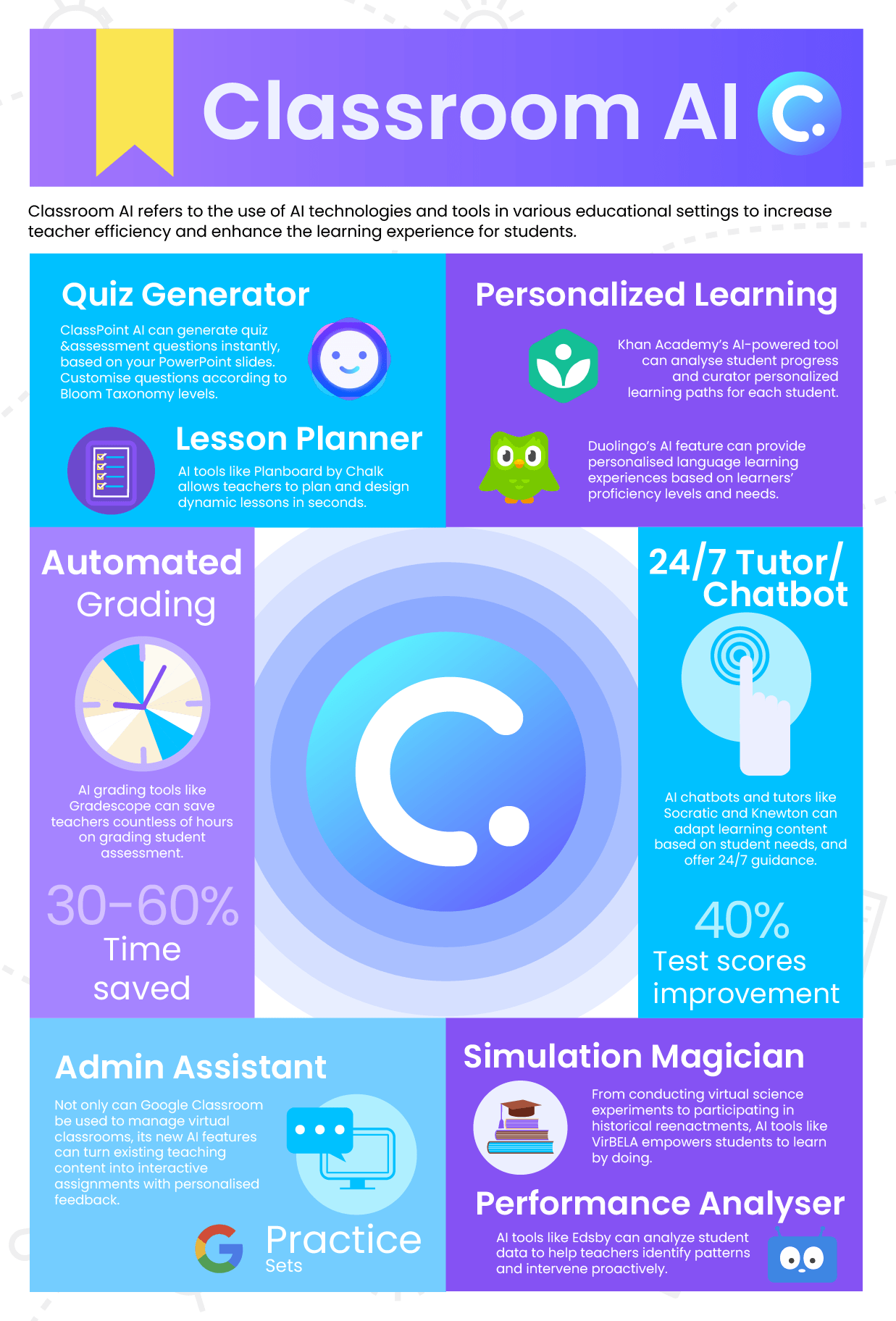
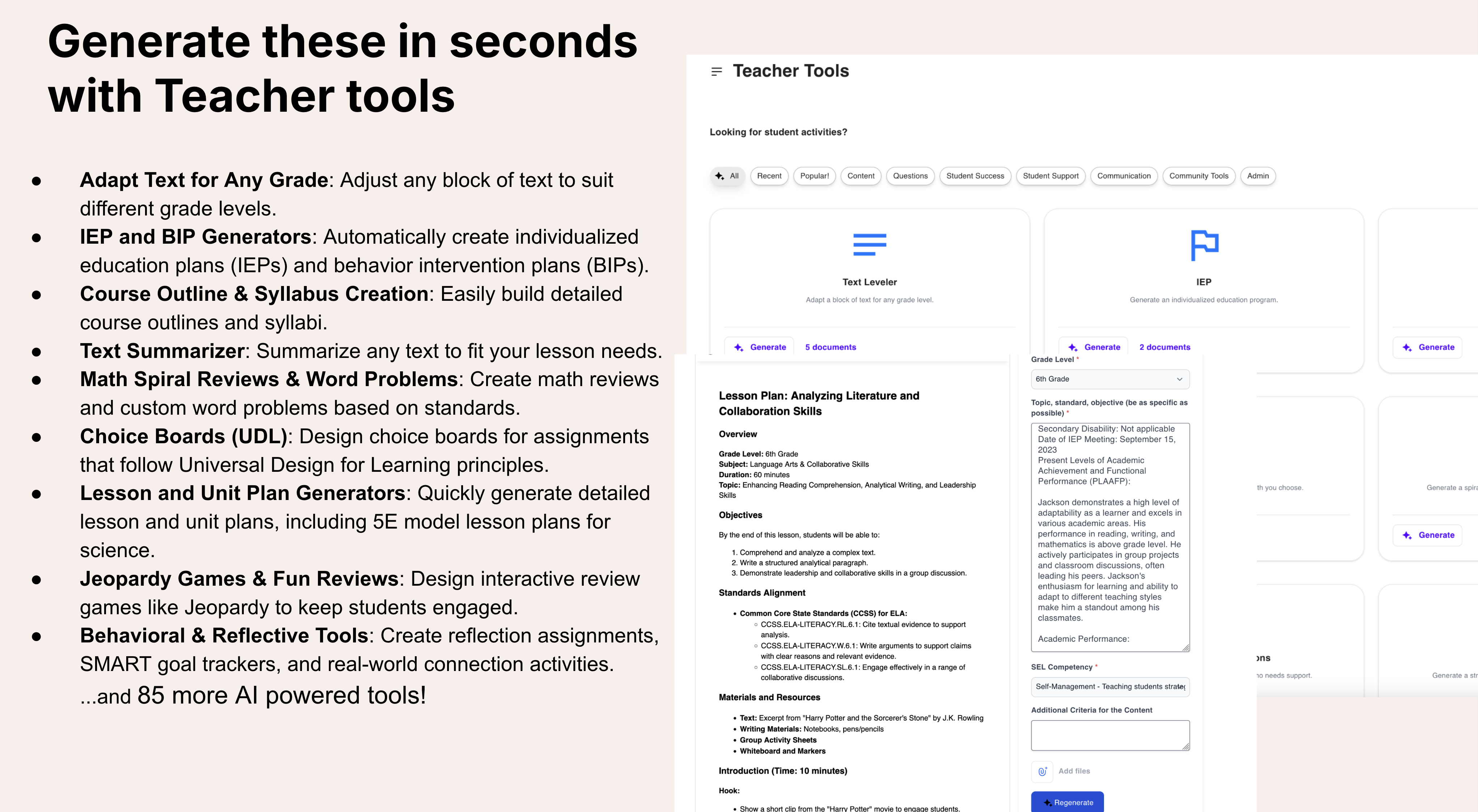
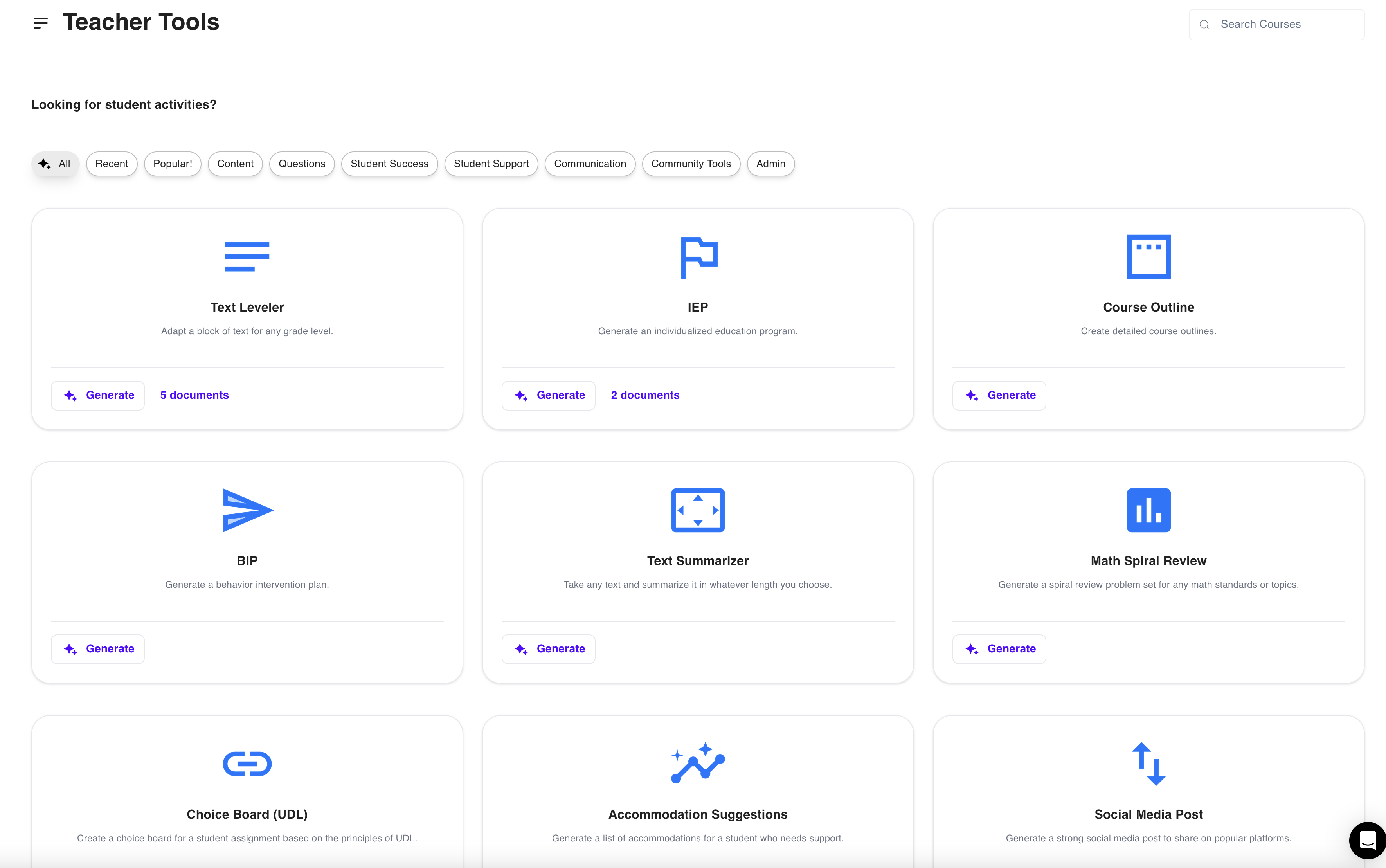
With AI becoming more accessible, of course teachers can and should leverage these technologies to enhance their teaching. There are a myriad of ways AI can be used to facilitate your day-to-day tasks as teachers:
- AI Admin Assistants
- AI Assessment Graders
- AI Detectors
- AI Image and Video Generators
- AI Lesson Planners
- AI Quiz Makers
- AI Presentation Makers
Our Tips and Strategies for Making Effective Use of AI tools in the classroom:
- Choose the AI tools that meet these
- Make
- Ensure academic integrity in the classroom by encouraging a
- Stay informed about emerging
- Collaborate with colleagues to share insights on effective AI integration in teaching.
6. AI Adoption is Queen, AI Data Personalisation is King
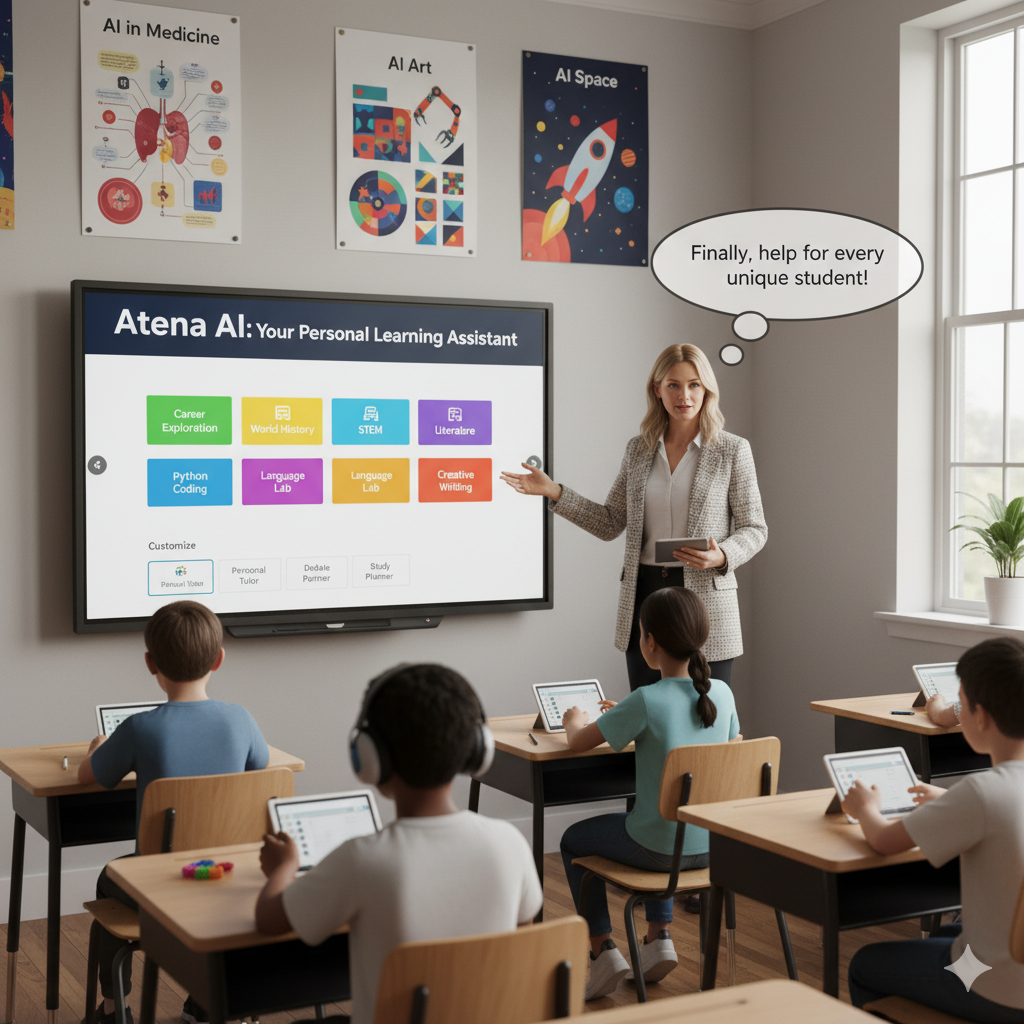
Conventional one-size-fits-all methods are no longer effective, and AI marks a significant stride towards a more agile, responsive and personalized educational landscape that tailors teaching to student needs, preferences, and learning styles.
Traditionally, customizing learning approaches based on each learner’s preferences, strengths and weaknesses requires extensive effort. AI algorithms and analytics tools can easily identify students at risk of falling behind and create unique learning paths for each learner based on their learning histories, preferences, and performance metrics to ensure an optimal and personalized learning experience.
What does this trend mean for educators?
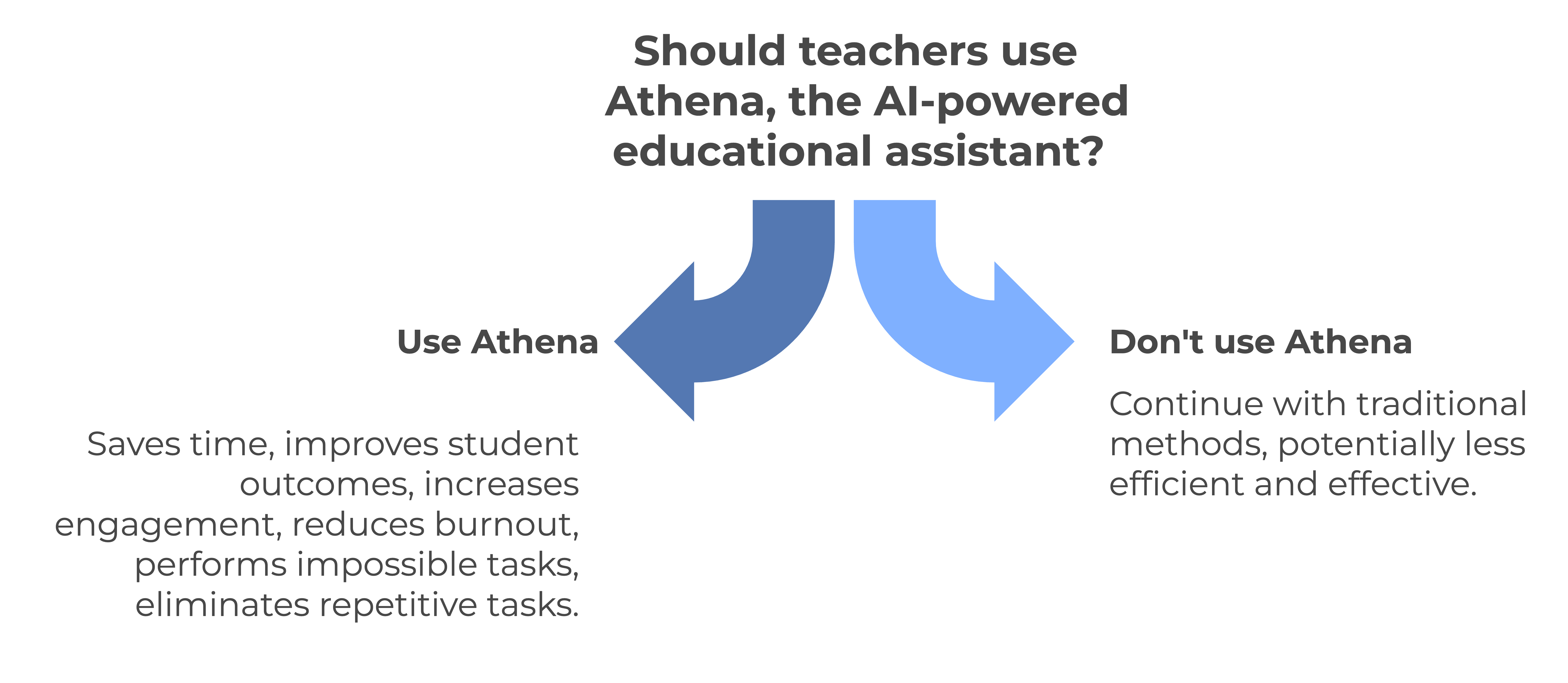
Teachers can embrace AI tools to supplement their efforts in personalizing their teaching in various aspects:
- Content delivery – AI can deliver content that is most relevant to each student.
- Pacing and flexibility – AI can adjust the pace of learning based on each student’s need.
- Learning style – AI can adapt content delivery and assessment based on each learner’s learning style (visual, auditory, kinesthetic etc.)
- Feedback – AI can provide personalized feedback for more targeted learning.
Our Tips and Strategies for Personalized AI Teaching:
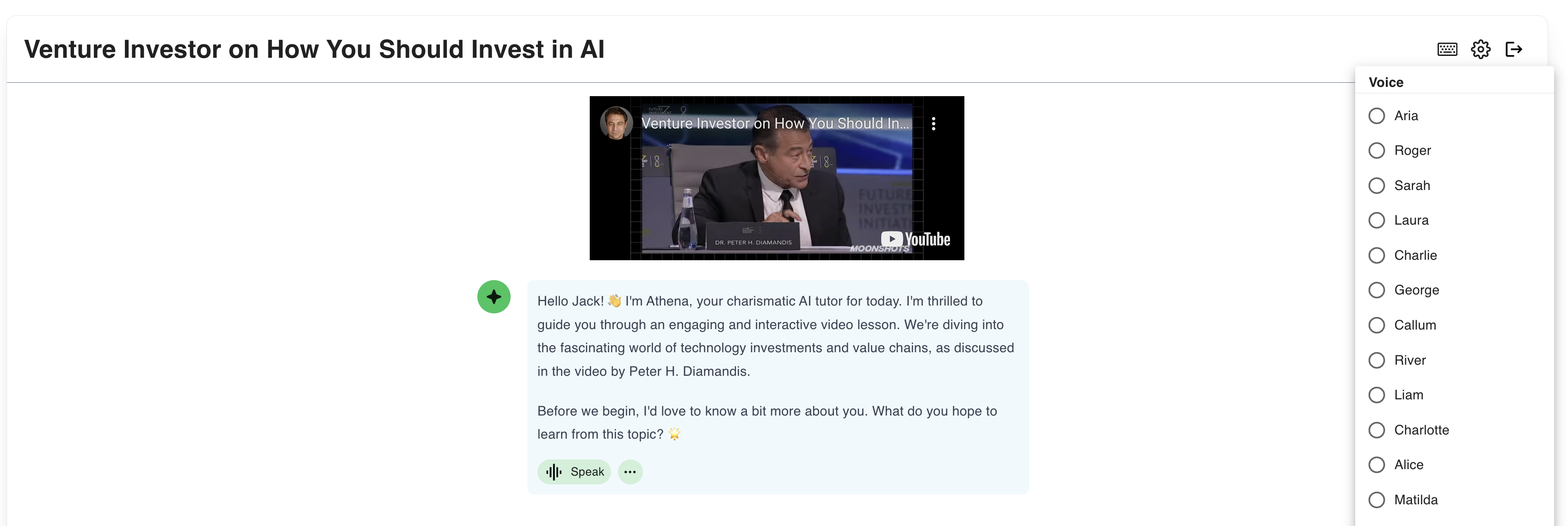
- Use AI tools such as Athena AI
- Provide guidance on how students can use AI tutoring systems

7. The AI-Human Blend as the Way Forward
While AI is all great and shiny, it still falls short in providing the kind of humanized learning experiences that are essential for students. This is a real challenge in education because teaching is more than simply depositing information and matching student responses to fixed marking templates.
AI technologies lack the human touch—encouragement, reinforcement, warmth, and emotions—that are crucial in effective teaching. This gap emphasizes the importance for teachers to recognize the limitations of AI and use it as a tool to augment their teaching, rather than replacing or diminishing it. By understanding what AI can and cannot do, teachers can strategically integrate technology to enhance the learning experience while preserving the invaluable human elements of education.
What does this trend mean for educators?
The key lies in finding a balance where technology complements human expertise, allowing for AI to enhance the teaching and learning experience.
Our Tips and Strategies for the Ideal AI-Human Integration in Classroom:
- Embrace AI as a teaching assistant
- Provide guidance on how students can interact with AI tools responsibly.
- Continuously assess the effectiveness of AI integration in your teaching approach through feedback from students and peers.
8. AR and VR to be Democratized
The era of teaching through populating the blackboard or slides with texts is long gone. Learning through immersive technologies such as Virtual Reality (VR) and Augmented Reality (AR) is the future. While these tools are not new, the advancements in wearables, such as VR headsets and AR glasses, make it no longer a far-fetched dream to learn in an environment where distant planets and ancient buildings are within arm’s reach.
Immersive technologies are ushering education into a new era of experiential learning, taking students beyond the limitations of conventional classrooms.
NBC News: Meta Reveals Mixed Reality Headset.
What does this trend mean for educators?
I know what you may be thinking – aren’t VR and AR technologies expensive? When affordable or even free options are indeed available! Teachers should actively explore ways to integrate these technologies into their lessons as an opportunity to enhance their teaching methods, providing a more interactive and engaging educational experience for their students.
Our Tips and Strategies for Utilizing AR and VR in the classroom:
- Make your own
- Create your own 360 degree media
- Create your own AR experience using pure images with these
- Explore
- Ensure accessibility for all students, considering potential challenges.
In the near future, we can anticipate the emergence of text to VR platforms, where students can be immersed in highly realistic and interactive virtual environments effortlessly.
9. Expect Decentralization for Credentials and Content Creation
Blockchain in education? Yes you heard it right! Decentralized platforms can be used to create digital badges and smart contracts, store education records, and create social media content with greater data privacy and ownership.
Unlike conventional systems, where a singular authority oversees and verifies transactions, blockchain is a tamper-resistant digital ledger technology that securely records and verifies educational transactions across a network of computers. Decentralization promotes transparency, control and greater ownership of data.
Blockchain spending in the education sector is projected to reach approximately $883.31 million by 2028.
What does this trend mean for educators?
Blockchain remains a relatively new term that may not hold significant meaning for educators at present. However, as we move toward a decentralized Web 3 era, we want to make sure educators in our community are informed about blockchain technology and its applications in education.
Our Tips and Strategies on What to Prepare for in a Decentralised World of Education:
- Familiarize yourself with AI
- Encourage students to explore micro-learning through decentralized social media platforms such as Athena AI
- Advocate for the adoption of blockchain-based credentials in your institution.
10. Slowing Down in a Fast-Paced Teaching World
Finally, wrapping up with perhaps one of the most important trends in education for 2025 – an increased emphasis on teacher wellbeing.
K-12 teachers are the #1 most burnout profession in the United States.
Burnout symptoms range from withdrawal and lack of productivity, to more severe ones like paranoia and inability to concentrate.

What does this trend mean for educators?
As much as teaching is a profession dedicated to providing service to others, teachers should not deplete themselves from the fuel to fulfill their duties effectively.
Our Tips and Strategies for Dealing with Burnout:
- Regularly monitor your mental health by recognizing
- Building a robust support system and share your challenges with your friends, families or colleagues.
- Establish clear boundaries between your professional and personal life through task prioritization and the help of AI. Take mental health days when needed.
- Identify stressors and employ stress management techniques early on like mindfulness, deep breathing exercises, or regular breaks.
- Consult a licensed professional for additional support and guidance through difficult times.
Read here for more strategies to deal with burnout in teaching profession. Final Thoughts
We hope that the trends in education and actionable insights we have provided can assist you in refining your teaching approaches in 2025, enabling you to adapt to the new demands in learning and education.
Continue to check Athena's blog for the latest information and news in 21st century teaching and don’t hesitate to SIGN UP FOR FREE! Sign up here AthenaEdu.AI









CustomersWhy Schools love Athena
Community of 8k+ members.
I used to spend hours creating differentiated worksheets with limited impact. Now, I can see exactly where each student is struggling in real-time. I noticed six students struggling with fraction division conceptually, so I pulled them for a targeted mini-lesson while others continued progressing independently.

FAQs
Is Athena safe and compliant with educational privacy standards?

Can Athena be used for different subjects?
How does Athena handle feedback and improve its AI models?
How does Athena provide personalized learning for each student?
What is Athena, and how does it help teachers and students?
How can I get my school or district on board?
How does Athena support responsible AI use for students?
What happens with student data?


Secure, Private, and Built for Schools


