AI Tutors: Boosting Learning Rates in Less Time for Students
Share


 Copied
Category
Study
Preview link
PDFIn a recent study conducted at Harvard, researchers found that student engagement can significantly increase with the help of a tailored AI tutor in educational settings. By integrating an AI tutor specifically designed for a physics course, student engagement doubled, highlighting the potential of personalized technology in academic environments.
The Need for Engagement in STEM Courses
Physics and other STEM (Science, Technology, Engineering, and Mathematics) subjects are crucial but often challenging for students due to their complex, abstract concepts. The difficulty in comprehending such material sometimes leads to reduced interest and engagement among students. With engagement levels directly influencing learning outcomes, educators and institutions constantly look for innovative solutions to capture students' interest.
How Harvard's Tailored AI Tutor Made a Difference
Harvard's research team developed an AI tutor that adapts to the unique needs of students within a physics course. Unlike traditional one-size-fits-all teaching methods, this AI tutor personalizes the learning experience by adjusting to each student’s pace, level of understanding, and preferred learning style. By offering targeted hints, feedback, and explanations, the AI tutor supports students in real-time, helping them bridge gaps in understanding without feeling overwhelmed.
This personalized approach is essential in subjects like physics, where each concept builds on prior knowledge. By offering students real-time, adaptive support, the AI tutor encourages them to stay engaged, participate actively in coursework, and ultimately develop a deeper understanding of complex concepts.
Key Features Driving Engagement
The study attributed the increase in engagement to specific features within the AI tutor. These included:
- Instant Feedback: The AI tutor offered instant responses to questions and exercises, reducing the wait time students usually experience. This immediate feedback loop was critical in keeping students motivated to progress.
- Customizable Learning Pathways: The tutor was able to assess students' comprehension levels continuously and adjust the difficulty of questions and explanations accordingly. This personalization minimized frustration and encouraged students to tackle progressively challenging problems.
- Interactive Problem Solving: Rather than simply providing answers, the AI guided students through problem-solving processes, helping them arrive at solutions on their own. This hands-on approach deepened engagement by encouraging active participation.
- Data-Driven Insights for Instructors: In addition to helping students, the AI tutor generated insights for instructors. These insights helped instructors identify common challenges students faced, allowing them to tailor their classroom sessions to address these specific areas.
Broader Implications of AI in Education
Harvard’s findings underscore the broader potential of AI in education. Beyond physics, tailored AI tutors could transform learning in various subjects, particularly those with high levels of complexity and abstraction. By focusing on student engagement and adaptive learning, AI-powered tools can help bridge achievement gaps, especially in STEM fields where some students struggle to keep pace.
Moreover, as AI becomes more integrated into educational systems, teachers may have more time to focus on personalized instruction and mentorship, allowing them to address students’ unique needs more effectively. When designed thoughtfully, AI tutors can complement traditional teaching methods, creating a more supportive and interactive learning environment.
Conclusion
The Harvard study’s results are promising for educational institutions looking to harness the power of AI to enhance learning outcomes. By demonstrating that a tailored AI tutor can double engagement in a physics course, Harvard has provided a compelling example of how technology can be used to address complex challenges in education.
As institutions and educators explore new ways to increase engagement, personalized AI tutors offer a powerful tool to help students succeed in challenging subjects. The potential to apply these findings across various disciplines signals an exciting future for AI in education, one that could transform traditional learning environments and make high-quality education more accessible and engaging.
Sources
[1] Harvard Showed Student Engagement Doubled with a Tailored AI ... https://iblnews.org/harvard-showed-student-engagement-doubled-with-a-tailored-ai-tutor-to-a-physics-course/

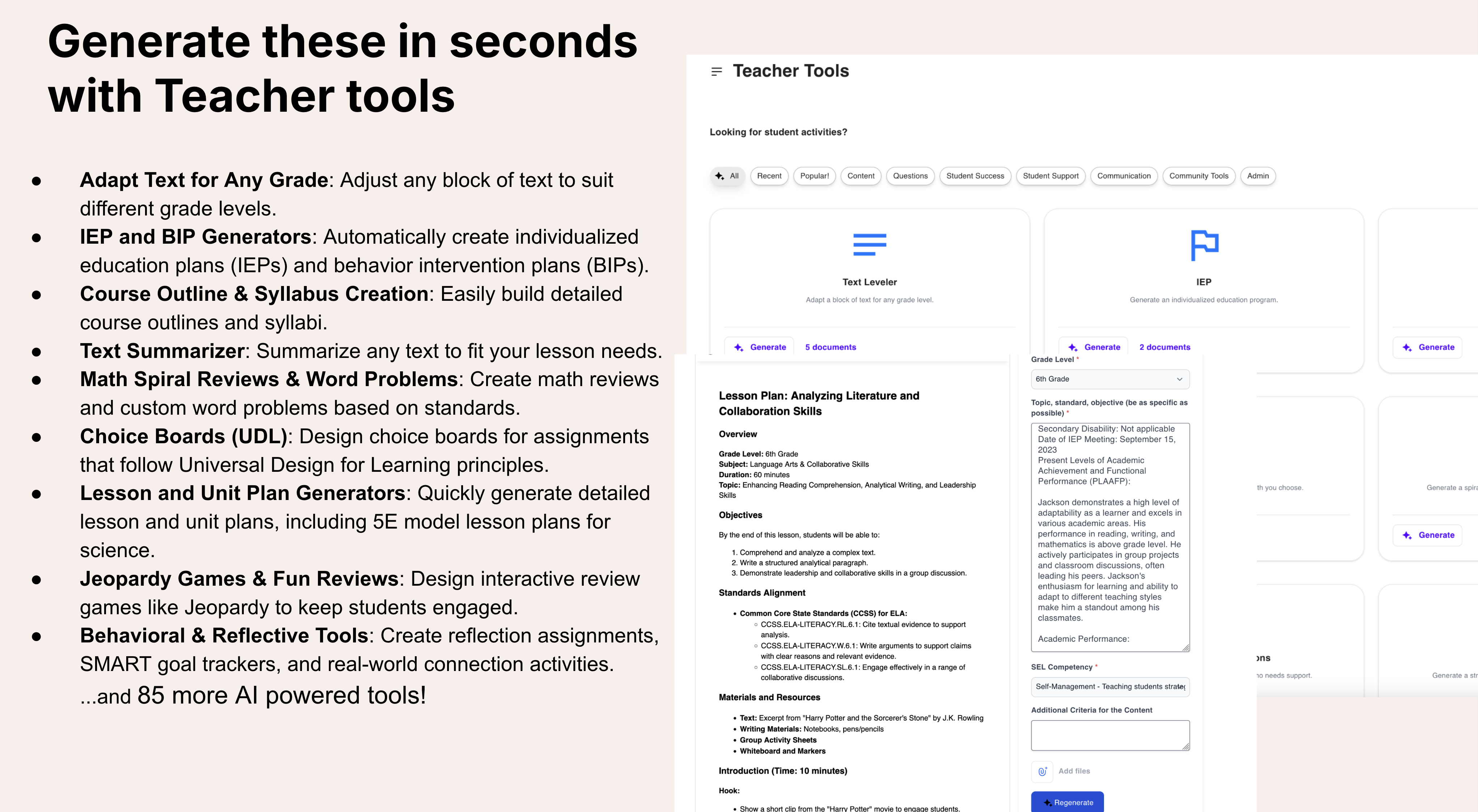
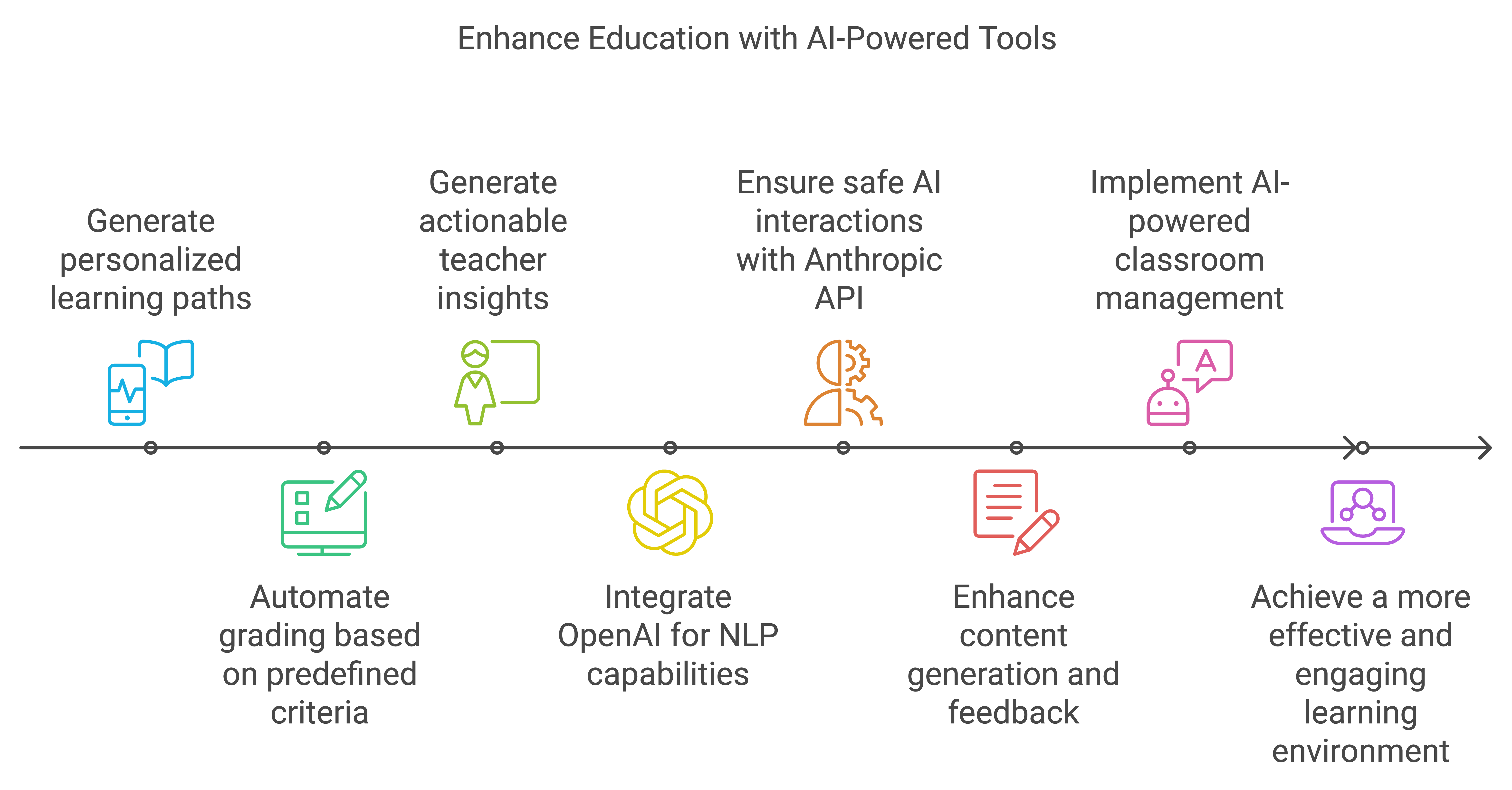
Athena lets teachers use AI to personalize learning.
Design AI to tutor or assess students in 1-1 conversations, based on custom learning objectives and materials.
Get a Demo
Secure, Private, and Built for Schools