


All blogs
AI in Education: The Rise of Artificial Intelligence in Modern Education
Share


 Copied

EdTech

min read

November 09, 2025
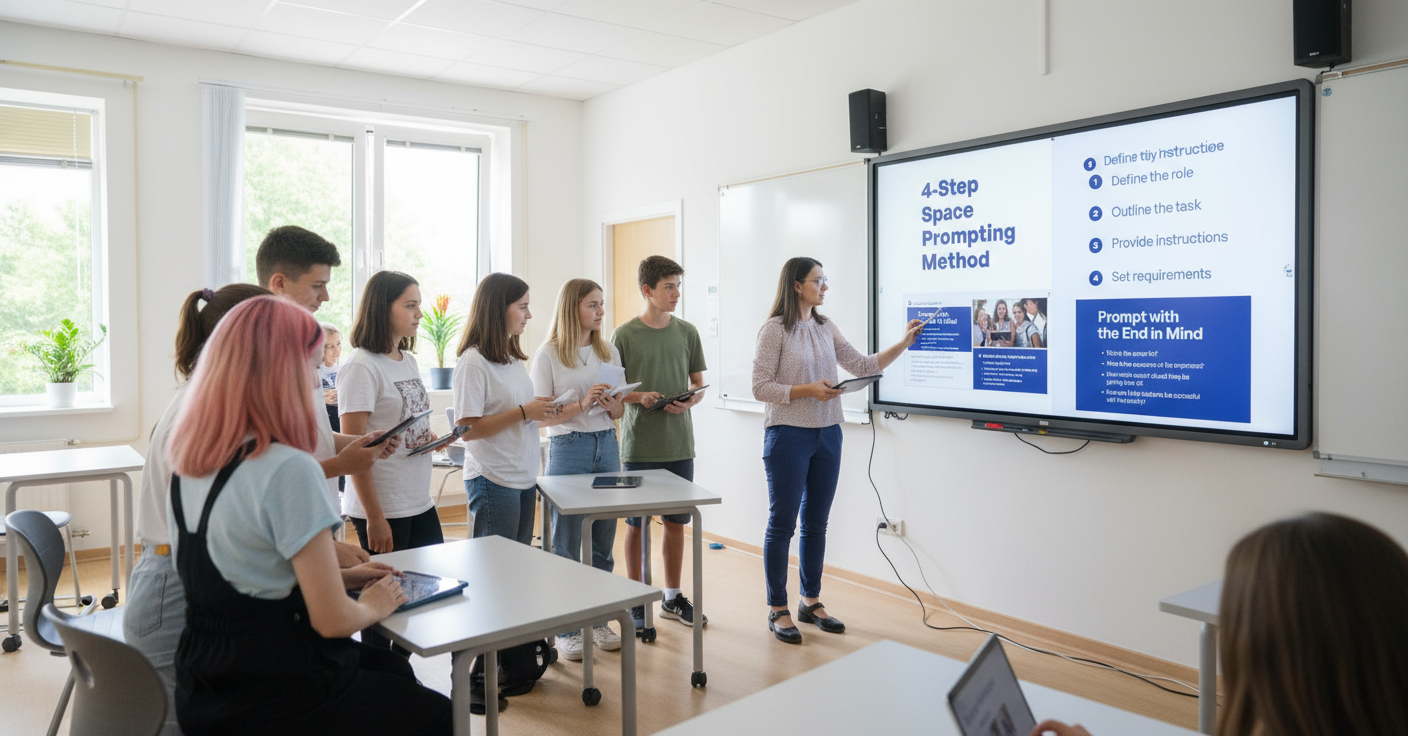
Artificial intelligence (AI) is rapidly changing the landscape of modern education, presenting educators and students with new opportunities and challenges. This article explores the increasing role of artificial intelligence in education, its potential benefits and drawbacks, and how it is reshaping teaching and learning.
Is AI in education good or bad?

The integration of AI in education offers exciting possibilities. AI tools can significantly personalize learning and streamline administrative tasks. However, it's crucial to address concerns about data privacy and equity. Thoughtful and ethical use of AI Implementing AI in education is essential to maximize its benefits while minimizing risks. Educators must carefully weigh the pros and cons of AI to ensure its responsible and effective use of AI in the classroom, promoting meaningful learning experiences. It is very important to understand how you and your students use AI.
Understanding Artificial Intelligence in Education
Definition and Overview of Artificial Intelligence
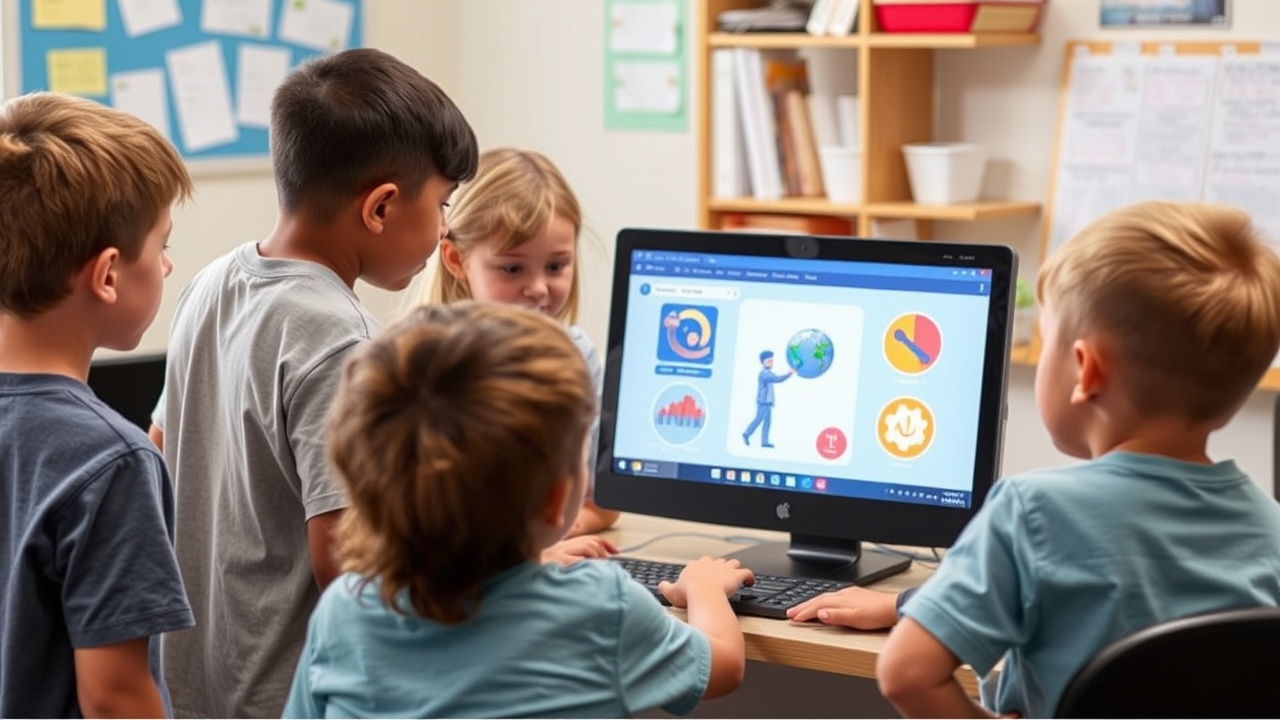
Artificial intelligence (artificial intelligenceThe use of AI in education has evolved from a futuristic concept into an integral part of our daily lives, now significantly enhancing learning experiences. impacting the field of education. Coined in 1956, artificial intelligence in education is revolutionizing the academic landscape, providing unprecedented opportunities to personalize learning, enhance administrative efficiency, and improve educational outcomes. Educators can leverage AI to analyze extensive data, gaining insights that drive informed decisions and strategies in STEM education.
Historical Context of AI in Education
The journey of AI into education began with computer-assisted instruction (CAI) in the 1960s. Back then, schools used expensive mainframe computers to deliver instructional content. As technology advanced, intelligent tutoring systems emerged, offering tailored learning experiences based on individual learning styles. This evolution demonstrated the potential of AI in education and the benefits of AI in education, encouraging greater adoption of AI.
Key AI Technologies Transforming Education
Generative AI is providing teachers, students, and administrators with powerful tools, enhancing the teaching and learning process. Consider AthenaAI, an AI-powered platform designed for K-12. It offers personalized learning support through AI applications like AI tutors, real-time feedback, and custom assignments. The platform's AI algorithms promote responsible AI use by encouraging critical thinking and self-guided learning. With its integration of AI, AthenaAI exemplifies the positive role of AI in education.
Benefits of AI in Education

Personalized Learning Experiences
AI in education offers unparalleled opportunities to personalize learning paths. By tailoring instructional content to each student’s unique learning style and pace, AI tools benefit students, teachers, and even resource-constrained schools. This ensures that students personalize learning by progressing at their own pace and engaging with activities aligned with their individual learning experiences, fostering greater autonomy and a deeper understanding of the material. This innovative approach enhances student performance across the board.
Enhanced Administrative Efficiency
One of the significant benefits of AI in education is its ability to automate administrative tasks. AI systems can handle grading, scheduling, and report generation with ease, significantly reducing the workload on educators. This allows teachers to focus more on direct student interaction and lesson planning, optimizing the teaching and learning Creating an inclusive environment and ensuring that the educators can utilize AI capabilities is necessary. leverage AI for improved efficiency in the field of education.
Improving Student Engagement and Outcomes
AI in education makes learning more interactive and engaging, leading to improved student outcomes. Through gamified content and adaptive learning experience platforms, AI technologies keep learners motivated and involved. Programs like Kahoot! The use of AI technologies, such as Minecraft: Education Edition, can engage students in innovative ways. use AI to create interactive quizzes and simulations that respond to student input, making modern education more dynamic and effective. This contributes positively to the overall role of AI in enhancing educational engagement.
Applications of AI in Education
Examples of AI Tools in Classrooms
AI tools in classrooms are transforming how educators tailor their content. AI algorithms and AI applications, driven by analytics, provide insights into student performance and learning experience trends. Platforms like Canva Magic Write, Curipod, Eduaide, and Quizzizz help create interactive lessons and personalized quizzes. These AI systems assess students' skill levels in real-time and adapt instructional content, ensuring that educators effectively utilize AI to meet individual needs and promote AI literacy.
Generative AI Tools for Content Creation
Generative AI provides powerful assistance to instructors in creating digital lessons and study materials. Tools like Magic School AI and Eduaide.AI simplify lesson planning, create assessments, and write individualized education plans (IEPs). This integration of AI streamlines instruction and enhances the teaching and learning process, making AI use essential for modern educators seeking to personalize learning and improve student performance.
AI Systems for Assessment and Feedback
AI systems now offer adaptive, accessible learning experiences, providing immediate feedback and corrective guidance based on student performance. These AI technologies offer students instantaneous and detailed feedback on their work, helping them to see their strengths and weaknesses. With integration of AI, AI in education benefits from real-time progress insights and personalized support, contributing to enhanced student performance. This enhances the teaching and learning process and helps close achievement gaps.
Challenges and Limitations of AI in Education
Ethical Considerations and Bias
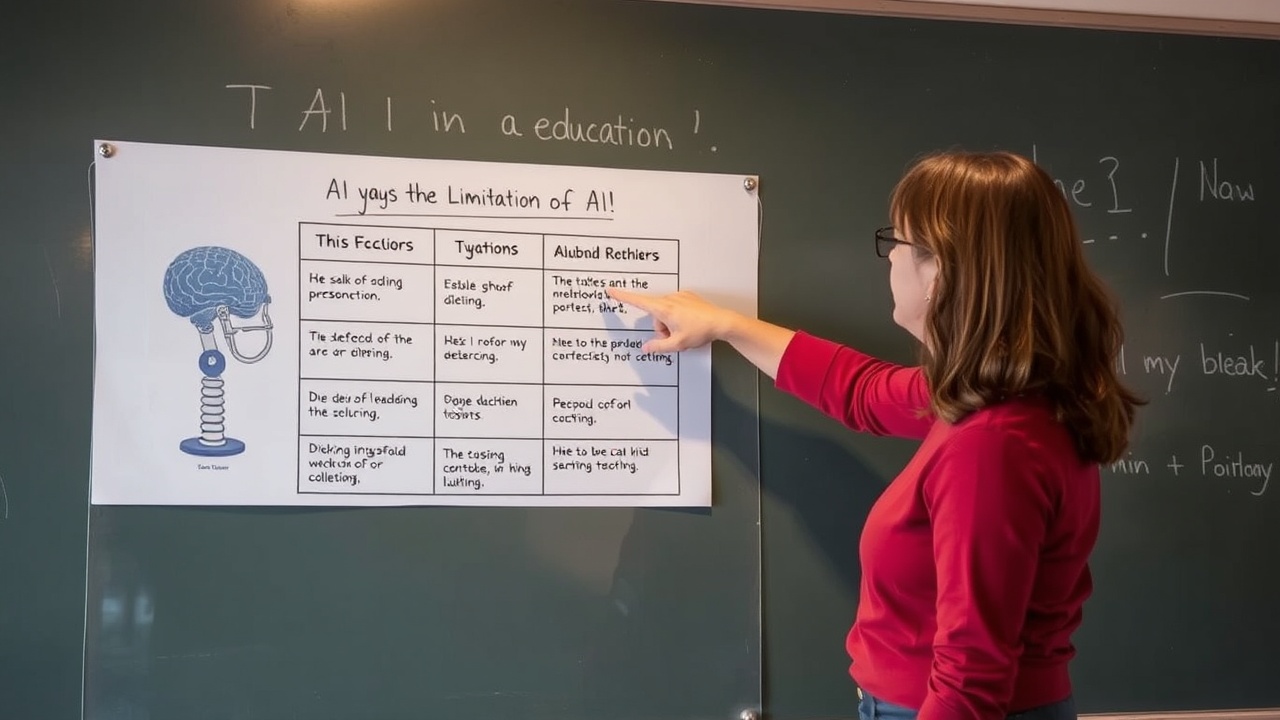
AI in education presents ethical challenges, particularly concerning Addressing bias in AI is crucial to ensure fair use of AI technologies in education. and data privacy. AI systems can inherit biases from their training data, leading to unfair outcomes. Educators must address these cons of AI in education by carefully selecting tools rigorously tested for fairness. AI literacy is crucial for understanding and mitigating these risks, ensuring Ensuring equitable access to AI tools is vital for all students to leverage AI technologies effectively. and promoting ethical use of AI.
Technical Limitations and Implementation Issues
The technical limitations of AI in education Challenges to the use of AI in education include costs and the need for reliable data. The cost of implementing large adaptive learning experience The costs associated with implementing AI systems can be prohibitive for many schools. Inaccurate or biased data can compromise the quality of AI algorithms. Students must learn to critically evaluate information and not simply accept it at face value. Addressing these limitations is essential for successful AI usage.
The Role of Educators in AI Adoption
Educators play a crucial role in AI adoption by understanding the pros and cons of AI. They must carefully review AI applications to ensure they align with educational goals and address individual student needs. Training in AI literacy is essential for teachers to effectively leverage AI, promoting responsible AI use. Platforms like AthenaAI support teachers with AI-powered tutoring and feedback, helping integrate AI Educators are looking to integrate the use of AI technologies into their teaching practices. With integration of AI and more ways for educators to use AI tools, the teaching and learning process has improved.
The Future of AI in Education
Predictions for AI Technologies in Educational Settings
The future of AI in education looks promising, with advancements in personalized and accessible learning experiences. More sophisticated AI capabilities are being developed to improve educational outcomes. AI systems for adaptive learning experience and immersive virtual classrooms will enhance engagement and effectiveness in modern education. These advancements have allowed for new applications in education. As the future of education evolves, it will be interesting to see how students will use AI to create and learn.
Preparing for an AI-Driven Educational Landscape
Administrators and educators must stay informed about AI in education, making informed policy decisions regarding platforms, data privacy, and security. Teaching AI literacy is crucial, as students need to understand AI's capabilities and limitations, including its potential for bias. Platforms like AthenaAI promote responsible AI use by fostering critical thinking and self-guided learning with its AI algorithms. With the right AI integration, students will greatly enhance their learning experience.
Long-term Implications for Learning and Teaching
Generative AI will have a growing impact of AI on education as artificial intelligence continues to evolve. The long-term implications include enhanced personalized learning paths, more efficient administrative processes, and improved student performance. Educators must prepare for these changes to effectively utilize AI, ensuring equitable access to AI tools and maximizing the benefits of AI in education. This means a better field of education for everyone.
- Goal:
- Design Considerations:
- Set Athena to act as a
- Allow for set practice (e.g., from a worksheet) or new practice (e.g., "ask me questions about...").
- Provide students with a
- Enable students to screenshot/paste base diagrams into the whiteboard and
2. High School Research (11th Grade)This activity emphasizes critical thinking and source evaluation.
- Goal:
- Design Considerations:
- Upload relevant rubrics/background info.
- Give Athena a specific persona (e.g., "inquisitive and critically thinking junior research assistant who needs guidance from the student").
- Ensure the research provides sufficient content for analysis based on the rubric.
- Athena should always suggest
3. Lower School Role Play (2nd Grade - Basic Math)This activity focuses on personalization and engaging learning for younger students.
- Goal:
- Design Considerations:
- Personalize to student interests.
- Can be designed for
- Design the activity
- Adjust for student reading abilities by making messages
- If a student is wrong, have them
- Athena must
-----General Activity Features in AthenaAthena aims to offer features that overcome limitations in general AI study tools, providing a system that supports teachers:
- Oversight:
- Grade-Level Agnostic:
- Customization:
- Library:
- Collaboration:









CustomersWhy Schools love Athena
Community of 8k+ members.
I used to spend hours creating differentiated worksheets with limited impact. Now, I can see exactly where each student is struggling in real-time. I noticed six students struggling with fraction division conceptually, so I pulled them for a targeted mini-lesson while others continued progressing independently.

FAQs
Is Athena safe and compliant with educational privacy standards?

Can Athena be used for different subjects?
How does Athena handle feedback and improve its AI models?
How does Athena provide personalized learning for each student?
What is Athena, and how does it help teachers and students?
How can I get my school or district on board?
How does Athena support responsible AI use for students?
What happens with student data?
Related blogs

2025-11-11 16:49:00 5
Top 40 Homeschooling Tools and Resources for the Best Homeschool Experience
2025-09-18 01:24:00Study
AI in Education: Exploring the Benefits & Challenges of Artificial Intelligence in Education
2025-11-09 13:45:00EdTech
AI in Education: The Rise of Artificial Intelligence in Modern Education

Secure, Private, and Built for Schools


