


All blogs
Teacher Questions for Identifying AI Overuse: A Practical Guide
Share


 Copied

Ed

5min read

November 11, 2025
Process-Focused Questions
Understanding Their Work Approach
- "Can you walk me through how you approached this assignment from start to finish?"
- "What was the most challenging part of this work for you?"
- "How did you decide to organize your ideas in this particular way?"
- "What sources or research did you use to develop your understanding?"
Revision and Development
- "Can you show me how your thinking evolved as you worked on this?"
- "What parts did you revise, and why did you make those changes?"
- "If you were to rewrite this section, what would you do differently?"
- "How did your initial draft compare to this final version?"
Content-Specific Questions
Deep Understanding
- "Can you explain this concept in your own words, as if teaching it to a younger student?"
- "What connections do you see between this topic and what we've discussed in class?"
- "Which part of your argument do you think is strongest, and why?"
- "What questions does this raise for you about the broader topic?"
Personal Engagement
- "What surprised you most while working on this?"
- "How does this topic relate to your own experiences or interests?"
- "What aspect would you like to explore further if you had more time?"
- "Where did you struggle with understanding, and how did you work through it?"
Critical Thinking Assessment
Analysis and Evaluation
- "How did you decide which sources were most credible?"
- "What counterarguments might someone make to your position?"
- "Can you identify any assumptions you made in your reasoning?"
- "What evidence do you find most compelling, and why?"
Application and Synthesis
- "How might you apply these ideas to a real-world situation?"
- "What would change if we approached this problem from a different angle?"
- "Can you connect this to something we studied earlier in the semester?"
- "How does this challenge or confirm what you previously thought about this topic?"
Red Flag Responses to Watch For
Indicators of AI Dependence
- ❌ Vague, non-specific answers about process
- ❌ Inability to explain reasoning behind specific word choices
- ❌ Responses that sound rehearsed or overly polished
- ❌ Difficulty connecting work to personal understanding
- ❌ Generic answers that could apply to any topic
Signs of Authentic Learning
- ✅ Specific details about challenges and breakthroughs
- ✅ References to personal interests or experiences
- ✅ Evidence of iteration and revision thinking
- ✅ Acknowledgment of confusion or uncertainty
- ✅ Connections to classroom discussions or materials
Implementation Guidelines
Best Practices for Conversations
- Start with curiosity, not accusation: Frame questions as genuine interest in their learning process
- Ask follow-up questions: Go deeper into their explanations to assess understanding
- Reference specific parts: Point to particular sentences or ideas and ask about them
- Compare to previous work: Notice patterns and changes in their typical approach
- Create a safe space: Students should feel comfortable admitting struggles or uncertainties
Documentation Strategies
- Keep notes on students' typical writing patterns and voice
- Track changes in complexity or style over time
- Record responses to process questions for comparison
- Note discrepancies between oral and written abilities
Metacognitive Prompts for Future Assignments
Building Self-Awareness
- "Before you begin, what specific goals do you have for this assignment?"
- "As you work, what strategies are you using to understand difficult concepts?"
- "What questions are you asking yourself as you write/research?"
- "How are you checking your own understanding as you go?"
Reflection Requirements
- Include process reflections with major assignments
- Ask for learning journals documenting challenges and insights
- Require students to identify their strongest and weakest arguments
- Have students explain their revision decisions
Remember: Building Trust, Not Catching Cheating
The goal of these questions is not to "catch" students using AI, but to:
- Encourage genuine engagement with learning
- Help students develop metacognitive awareness
- Identify when students need additional support
- Foster authentic assessment practices
- Build stronger teacher-student relationships based on understanding their learning process









CustomersWhy Schools love Athena
Community of 8k+ members.
I used to spend hours creating differentiated worksheets with limited impact. Now, I can see exactly where each student is struggling in real-time. I noticed six students struggling with fraction division conceptually, so I pulled them for a targeted mini-lesson while others continued progressing independently.

FAQs
Is Athena safe and compliant with educational privacy standards?

Can Athena be used for different subjects?
How does Athena handle feedback and improve its AI models?
How does Athena provide personalized learning for each student?
What is Athena, and how does it help teachers and students?
How can I get my school or district on board?
How does Athena support responsible AI use for students?
What happens with student data?
Related blogs

2025-06-16 06:28:00 K-12
The Socratic Method of Teaching: Save These Examples & Tips
2025-11-18 11:17:00AI
Magic School AI vs 6 of the Most Mentioned AI for Teachers: Which Tool Is the Best for You?
2025-08-22 23:29:00AI
48 Best ChatGPT Alternatives: ChatGPT is Not the Only Tool for Education
2025-10-20 07:30:00How To
How To Use Perplexity AI for Teaching: Feature Deep Dive + Actionable Use Cases

2025-01-26 21:16:00News
Must-Read Top 10 Trends in Education 2025 and Actionable Insights for Teachers
2025-04-21 17:18:00News
10 Must-Have AI Tools for Teachers in 2025: Enhance Classroom Engagement with ChatGPT and Beyond
2025-08-27 03:13:00K-12
How Athena AI is Transforming K-12 Education Challenges Today
2025-06-04 04:56:00Guide
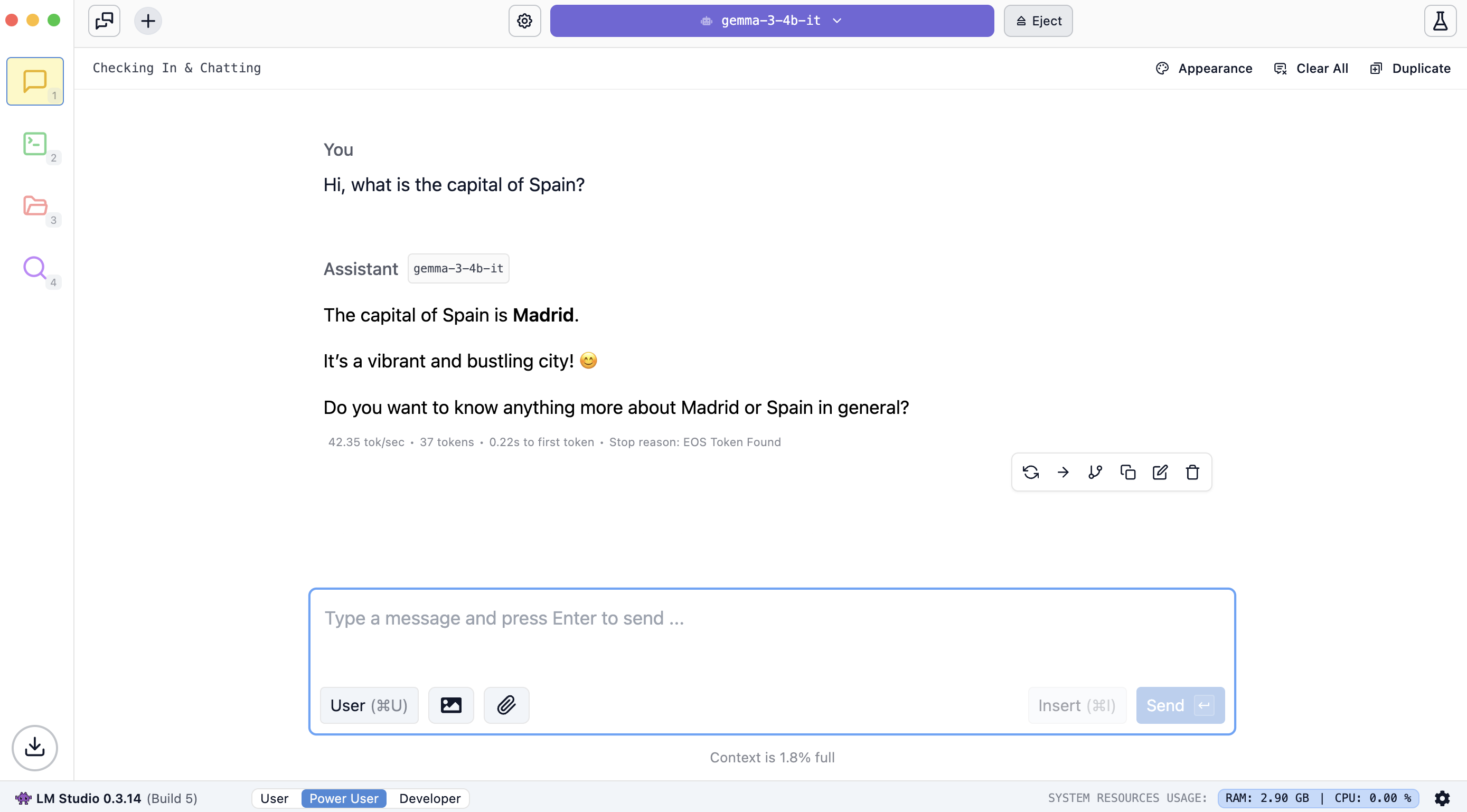
How to run AI privately on your own computer

2025-06-04 04:56:00New
Learn a new language with ChatGPT Voice
2025-10-22 07:30:00K-12
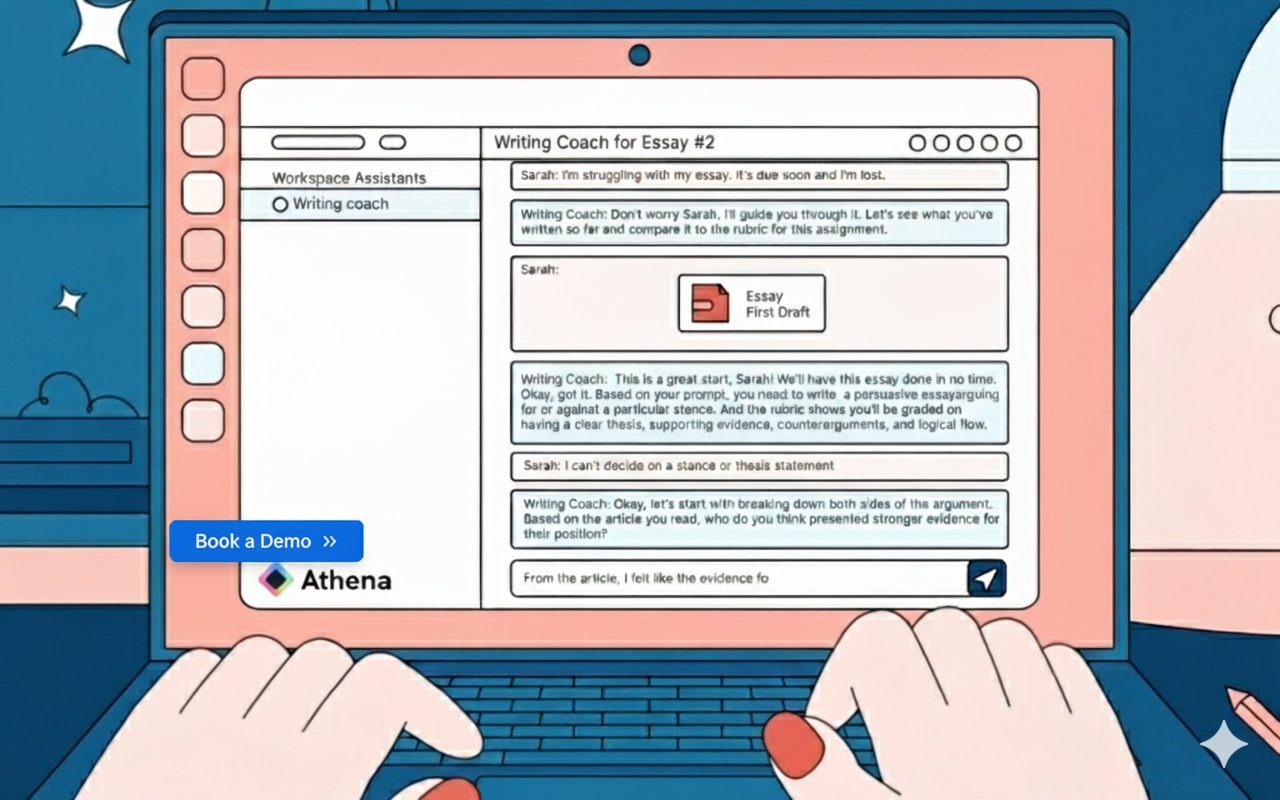
Top 8 Free Word Cloud Generator Apps You Need to Try in 2025
2025-02-14 04:28:00K-12
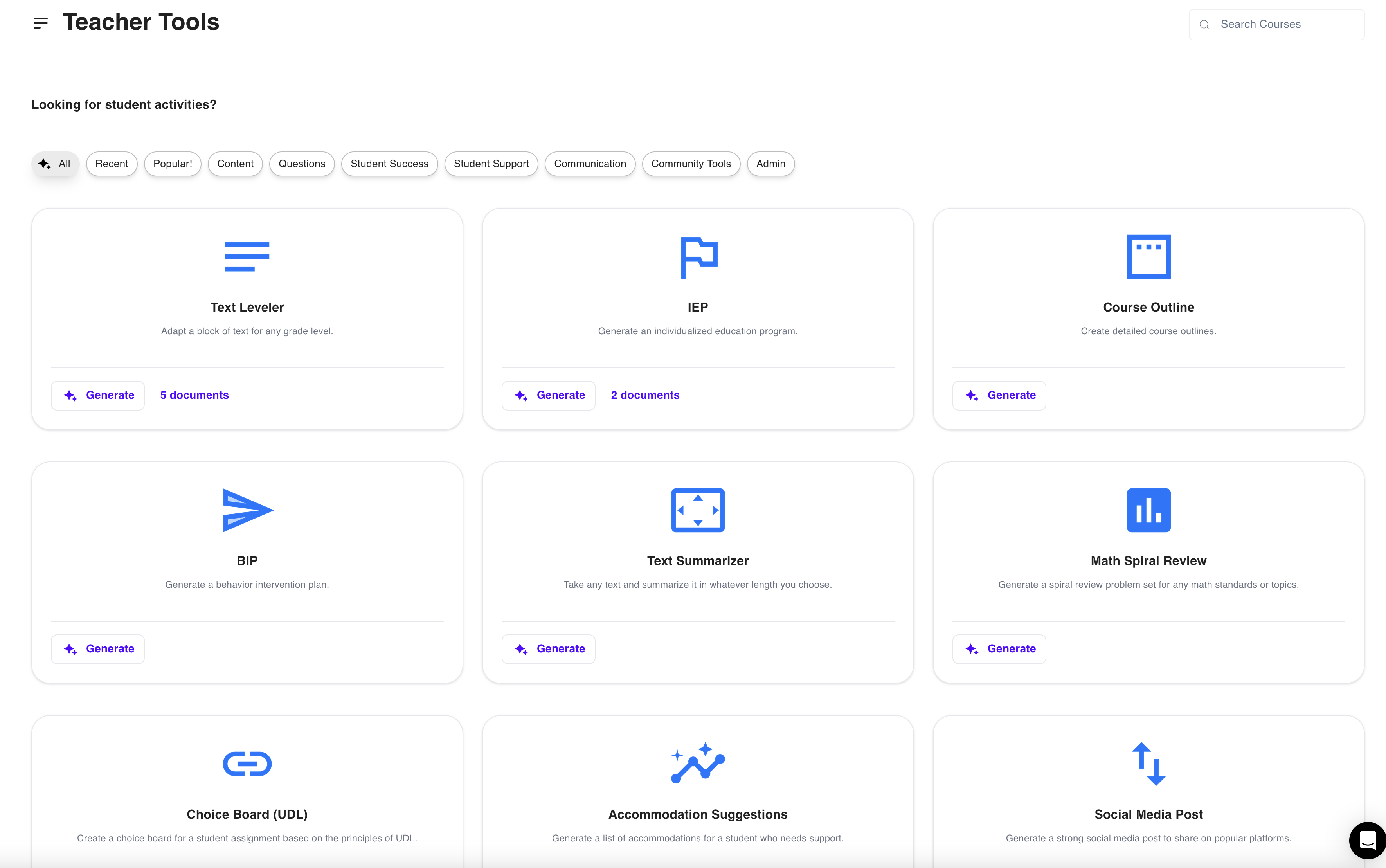
8 Best AI-Powered Teaching Assistants For the Busiest Teachers in 2025

2025-04-21 17:18:00AI
10 Effortless Ways to Use AI for Lesson Planning

2025-02-18 04:28:00AI
Top 20 Classroom Apps for Teachers to Use in 2025

2025-08-19 23:29:00
The 12 Best Free AI PowerPoint Generators in 2025
2025-06-08 17:09:00
The Socratic Method of Teaching: Save These Examples & Tips

2025-06-03 17:09:00
The Ultimate Gen Z Terms Dictionary for your class (Latest Top 70 Slangs You Need to Know)!

2025-05-21 10:41:00
Top 9 Key Gen Alpha Characteristics Teachers & Parents Must Know!

2025-05-25 21:39:00AI
How Easy It Is to Create a ChatGPT Lesson Plan: A 7-Step Guide for Beginners
2025-06-02 04:56:00Updates
How to generate comprehensive research reports with Perplexity Labs
2025-05-05 22:56:00
How to get ChatGPT to stop lying: 6 actionable tips for product managers

2025-06-05 08:34:00AI
9 Top AI Web Development Trends to Watch in 2025
2025-11-15 18:34:00AI in education
30+ Best Google Extensions for Teachers: Save Time, Teach Smarter
2025-11-11 16:49:00Ed
Teacher Questions for Identifying AI Overuse: A Practical Guide

Secure, Private, and Built for Schools


